

What you’ll learn:
- Saxenda® is a daily injectable GLP-1 medication made with liraglutide that is FDA-approved for weight loss.
- Side effects are common but often manageable with gradual dose increases and diet changes.
- People lose an average of 5 to 6% of body weight with Saxenda®, and it works best as part of an approach that includes healthier lifestyle changes.
If you’ve been researching weight loss medications, you’re probably familiar with Wegovy® and Zepbound®, but have you looked into Saxenda®? Saxenda®, made with liraglutide, isn’t as widely talked about as other GLP-1 medications, but it was actually the first GLP-1 medication approved for weight loss.
Back in 2014, Saxenda® became the original FDA-approved GLP-1 option for long-term weight management—years before once-weekly injections entered the picture. In many ways, it laid the groundwork for everything that came next.
One of the biggest differences between Saxenda® and newer GLP-1 medications is how they’re taken. Saxenda® is a once-daily injection, while newer options like Wegovy® (approved for weight loss in 2021) and Zepbound® (approved in 2023) are taken once weekly.
That comes down to how the medications are made. Saxenda® uses liraglutide, a GLP-1 that doesn’t stay active in the body as long. Advances in GLP-1 formulation led to longer-acting drugs like semaglutide and tirzepatide, making weekly dosing possible.
Liraglutide also tends to be less effective for weight loss compared with newer GLP-1 medications. On average, people lose less weight on Saxenda® than they do on Wegovy® or Zepbound®, which helps explain why it’s taken more of a back seat as newer options have become easier to access. Between the convenience of weekly injections and stronger results, attention has largely shifted toward these newer medications.
Still, Saxenda® hasn’t disappeared—and for some people, it’s still a solid option. Weight-loss medications don’t work the same for everyone. Factors like prior response to GLP-1s, side-effect tolerance, cost, access, dosing preferences, and medical history all matter.
As GLP-1 use has expanded, Saxenda® has found a different role in the weight-loss conversation, including for people who don’t tolerate newer medications well or who prefer a daily routine.
Let’s take a closer look at how Saxenda® works in the body, how dosing is structured, and what kind of results people typically see. We’ll compare it with newer GLP-1 medications and discuss when it might make sense as part of a modern weight-loss plan.
What is Saxenda®?
Saxenda® is a daily injection for weight loss made from liraglutide. Liraglutide is a GLP-1 receptor agonist, meaning it binds to GLP-1 receptors found in a few places in the body: mainly in the brain, the stomach and intestines, and the pancreas.
The liraglutide in Saxenda® attaches to these receptors to lower appetite, slow digestion, and regulate blood sugar. These actions can reduce hunger, help a person feel satisfied during meals, and keep that feeling of fullness going longer. It can also make it easier to eat smaller portions and still feel like you’ve had enough, so portion control feels more natural.
Liraglutide works similarly to other GLP-1 medications, but doesn’t last as long in the body, which is why it requires daily dosing. The same active ingredient (liraglutide) is also used in Victoza®, which was approved earlier (2010) to help manage type 2 diabetes. There are now generic forms of liraglutide as well.
How much weight can I lose taking Saxenda®?
How much weight someone loses with Saxenda® can vary a lot. It depends on things like starting weight, other health conditions, daily habits, and how consistently someone makes lifestyle changes along with the medication. But when looking at clinical trials, there are some clear patterns.
Appetite changes usually show up first, then weight loss tends to build gradually over several months. The strongest evidence comes from a trial that followed people taking Saxenda® along with lifestyle changes for up to one year, showing steady progress over time rather than overnight results.
Based on those studies, a typical timeline looks like this:
- 3 months: During the dose-escalation phase, many people reported reduced hunger and early weight loss as appetite control improved.
- 6 months: Weight loss becomes more noticeable, with many people reaching an average range of around 5 to 7% of their starting weight with consistent lifestyle changes.
- 1 year: Average weight loss across studies lands around 5 to 10% of starting body weight, with about one-third of people losing 10% or more.
These results come from Saxenda® being paired with a reduced-calorie diet and regular physical activity. That combination is key, and it’s why structured support programs can make a real difference in helping people stay consistent long enough to see meaningful results.
Rx weight loss, the right way, with Noom
Get access to prescription weight loss medication with Noom.Microdose GLP-1s
Wegovy®
Ozempic®
Metformin
Zepbound®

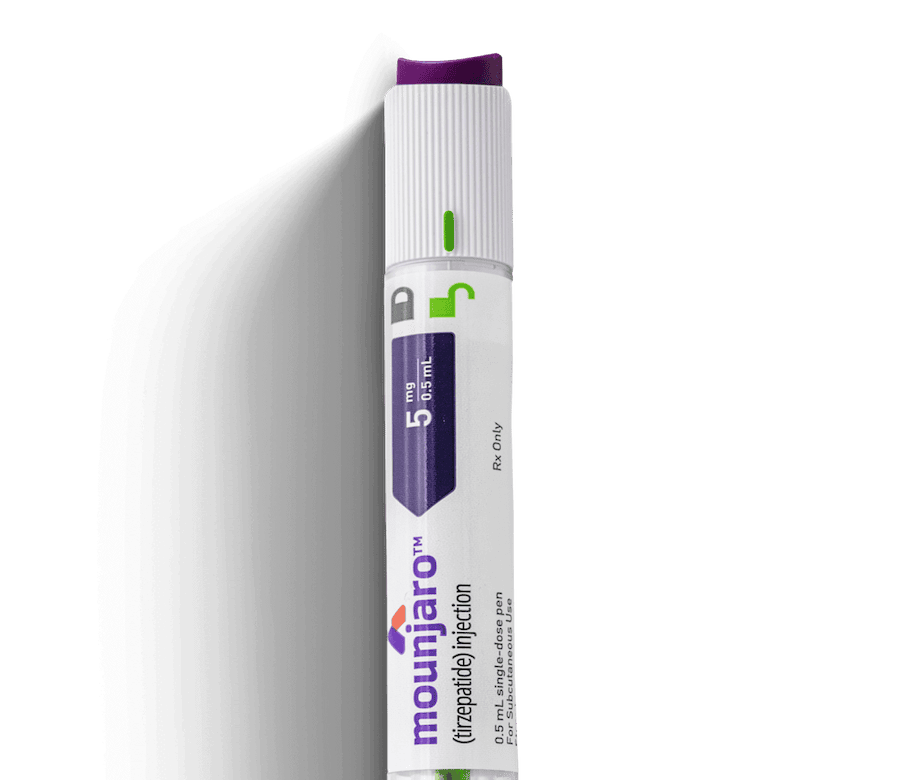
Mounjaro®
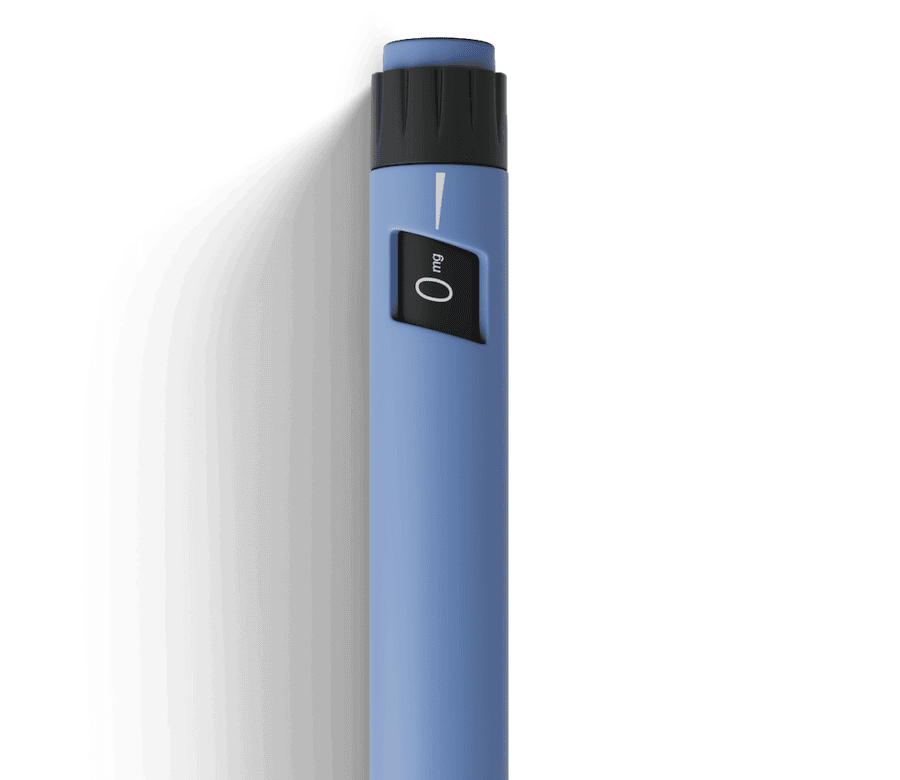
Liraglutide
Saxenda®: Cost and insurance considerations
The retail price of Saxenda® is about $1,340 per month, but it can vary depending on your insurance coverage, pharmacy choice, and available discount programs. Since weight loss medication isn’t typically covered, insurance assistance is rare, but here’s what you can expect:
- Private insurance: Coverage with an employer or individual commercial plan can be highly variable. Some plans may cover Saxenda® for weight management with prior authorization, while others may not cover weight-loss medications at all. It’s important to check directly with the plan or use the insurer’s online tools to confirm.
- Medicare. Medicare generally doesn’t cover medications when they’re prescribed specifically for weight loss. Saxenda® is typically not covered under Medicare drug plans.
- Medicaid. Medicaid coverage for GLP-1s like Saxenda® varies by state—some states cover certain weight-loss drugs (often with prior authorization), while others restrict or exclude them.
- Manufacturer’s discounts. The Saxenda® Savings Card is a program for eligible people with commercial insurance. It can reduce the cost to as little as $25 for a 30-day supply (eligibility rules apply, and it generally doesn’t apply to government insurance).
Is there a generic form of Saxenda®?
Yes, generic liraglutide is approved for weight loss at the same doses as Saxenda. For many years, Novo Nordisk was the only company allowed to sell liraglutide in the U.S., under two brand names: Victoza® (for type 2 diabetes) and Saxenda® (for weight management). Those products were protected by exclusivity and patent rights, which prevented other manufacturers from making lower-cost versions.
That began to change as those protections started expiring in 2024 and 2025. Once the exclusivity window opened, other drug makers were allowed to step in and produce generic versions—first for diabetes, and later for weight loss.
The first major shift came in December 2024, when the generic version of Victoza® was approved for the treatment of type 2 diabetes. Then, in August 2025, the FDA approved generic liraglutide for weight loss, clearing the way for the first non-brand GLP-1 option specifically indicated for obesity.
Pharmaceutical company Teva launched the first generic GLP-1 for weight loss—a generic version of Saxenda®. As of now, liraglutide remains the only GLP-1 medication available in generic form, making it a notable exception in a category still dominated by brand-name drugs.
It’s also important to know that liraglutide—both brand-name and generic—was not included in the recent drug pricing changes tied to the White House’s “most favored nation” initiative. That means its price isn’t currently affected by those policies, unlike some other high-profile GLP-1 medications.
What you actually pay can vary widely. Costs depend on your prescribed dose, where you fill the prescription, whether you use discount programs, and how your insurance plan covers GLP-1 medications—if at all. Because pricing and coverage can shift, it’s a good idea to check current costs with a pharmacy or prescription discount tool and confirm coverage directly with your insurance provider before starting or switching medications.
Read more: Saxenda® costs: With and without insurance coverage
Saxenda®: How to take it
You take Saxenda® as a once-daily injection, which you give yourself using a prefilled pen. Most people find that it becomes part of their routine pretty quickly. The injection goes just under the skin, typically in the abdomen, thigh, or upper arm, and can be taken at any time of day, with or without food.
Saxenda® is available in the following daily dose strengths:
- 0.6 mg
- 1.2 mg
- 1.8 mg
- 2.4 mg
- 3.0 mg (maximum maintenance dose)
Treatment starts at the lowest dose and increases gradually, often by 0.6 mg each week, as tolerated, until you reach a dose that works best for your body. This slow buildup helps reduce common side effects like nausea and stomach discomfort.
Keeping unused pens refrigerated, rotating injection sites, and taking your dose at roughly the same time each day can all help make the experience smoother and more consistent.
What happens if you miss a dose?
If you miss a dose of Saxenda® dose here’s what to do:
- If you miss a dose, just take your next dose at your usual time
- Never double up to catch up. Taking extra Saxenda® can increase nausea and stomach discomfort.
- If you’ve missed three or more days in a row, check in with your healthcare provider before restarting.
Saxenda®: Dosage adjustments & personalization
To find the right Saxenda® dose, your provider will adjust your dose based on how your body responds and whether the medication is actually helping with weight loss.
A provider may raise your dose if:
- Side effects are minimal or manageable
- Hunger and cravings haven’t improved yet
- You’re tolerating the medication well and still working toward the target dose
- Weight loss has slowed before reaching a dose that provides consistent fullness
A provider may lower your dose if:
- You’re dealing with persistent nausea, vomiting, or digestive discomfort that isn’t improving.
- Side effects are interfering with daily life or making it hard to eat normally.
- You’ve tried moving up to the next dose for two weeks and still can’t tolerate it.
- You’re already seeing good appetite control and weight loss at a lower dose (many people do well at 1.2 mg or 1.8 mg).
You may notice that your current dose isn’t doing enough if you’re still feeling hungry soon after meals, snacking hasn’t decreased, or your weight hasn’t changed after several months of consistent use. Providers typically reassess effectiveness after 12 to 16 weeks at the highest dose you can comfortably tolerate. If you haven’t lost around 4 to 5% of your starting weight by then, it may be time to adjust or consider a different option.
Several factors influence how Saxenda® is personalized for you. Age, starting weight, side-effect sensitivity, other medications, and underlying health conditions all play a role. For example, people taking insulin or certain diabetes medications may need adjustments to avoid low blood sugar, while those with kidney or liver concerns may need a slower approach.
Read more: Saxenda® dosage: Finding the right dose for weight loss
Saxenda®: Tips for best weight loss results
These tips focus on timing, technique, and tracking so you can get the most out of your treatment.
- When to take Saxenda®: Saxenda® can be taken any time of day, so the best time is the one you’ll remember consistently. Many people choose mornings or evenings and tie it to an existing habit, like brushing their teeth. Taking it at the same time each day helps keep medication levels steady and can reduce side effects.
- With or without food? Saxenda® can be taken with or without food. If you notice nausea, some people find it helpful to avoid large meals right after injecting.
- Injection habits that reduce side effects: Rotate injection sites between your abdomen, thigh, and upper arm to prevent skin irritation. Use a fresh needle each time, inject slowly, and stay well hydrated.
- What to track as you progress: Don’t just watch the scale. Track hunger levels, fullness after meals, energy, side effects, and overall appetite changes. Regular weigh-ins and noting how you feel day to day give you and your provider useful information to fine-tune your dose and lifestyle plan for better long-term results.
Saxenda®: Side effects and safety
As with most medications, Saxenda® side effects are something to be aware of before starting treatment. Most people experience some side effects, but understanding what to expect and why they happen can help you manage them effectively and know when to reach out for support.
Common side effects
Most people experience mild to moderate side effects, especially when starting the medication or adjusting to a higher dose. These include:
- Nausea
- Diarrhea
- Constipatio
- Vomiting
- Dyspepsia (indigestion)
- Stomach pain
Serious side effects and warnings
Some serious but rare side effects are possible with Saxenda®. Here are some other conditions to watch out for that require immediate medical help if experienced:
- Pancreatitis: Symptoms include severe abdominal pain that may spread to your back, with or without vomiting.
- Vision changes: Get immediate medical attention if you have sudden vision changes.
- Low blood sugar (hypoglycemia): Symptoms include dizziness, shakiness, blurred vision, fast heartbeat, and jittery feelings. This is more common in people taking diabetes medications.
- Kidney problems: Dehydration from diarrhea, nausea, or vomiting can worsen kidney function. Go to the ER if you have reduced urination, swelling in the ankles or legs, fatigue, or shortness of breath.
- Gallbladder problems: Watch for upper abdominal pain, fever, jaundice, or clay-colored stools, which could indicate gallbladder issues.
- Allergic reaction: Symptoms include swelling of the face, lips, tongue, or throat, difficulty breathing or swallowing, and a rapid heartbeat. Seek immediate emergency care if you suspect a reaction.
- Thyroid tumors or cancer: The medication has FDA warnings for the potential risk of thyroid C-cell tumors. Neck lumps or pain should be immediately checked by a clinician. This risk has only been observed in animal studies.
Do women experience Saxenda® side effects differently?
The answer is possibly. Research suggests that Saxenda® side effects in women tend to be more common and sometimes stronger, particularly when it comes to nausea and digestive symptoms. There are a few potential reasons why:
- Estrogen appears to potentially increase sensitivity to GLP‑1 drugs, and higher estrogen levels correlate with more severe nausea and vomiting in women on GLP‑1 therapy.
- New research looking at both people and animal studies suggests that women may have more GLP-1 receptors in parts of the brain that control nausea. This could make feelings of queasiness and vomiting stronger for some women.
Read more: Saxenda® side effects: Symptom guide & management tips
Saxenda®: Overdose risks and symptoms
Accidentally taking too much Saxenda® can lead to serious side effects, so it’s important to stick to your prescribed dose. Even one extra injection could trigger side effects.
The most common signs of a Saxenda® overdose include severe nausea, ongoing vomiting, and low blood sugar symptoms like shakiness, sweating, or a fast heartbeat. These symptoms may feel intense and should not be ignored.
If you think you may have taken too much, contact your healthcare provider or call the Poison Help Line at 1-800-222-1222 right away. You can also ask your provider or pharmacist if you’re unsure about your dosage—don’t try to guess or adjust your dose on your own.
Saxenda® vs. GLP-1s: Weight loss potential
Liraglutide, semaglutide, and tirzepatide are the three GLP-1–based medications currently FDA-approved for weight loss, and they each work a little differently.
Here’s how these medications compare in cost, results, and how they’re taken:
| Medication | Brand names and uses | Cost per month (without insurance) | Effectiveness | How it’s taken |
|---|---|---|---|---|
| Liraglutide – GLP-1 receptor agonist | Saxenda: Weight loss Generic liraglutide: weight loss, type 2 diabetes, and heart disease | Saxenda: $1,340 Generic liraglutide: $470 – $700 | People lost an average of 5-6% of body weight in one year. | Daily injection |
| Semaglutide – GLP-1 receptor agonist | Wegovy®: weight loss, heart disease, and MASH | Wegovy®: $1,350 NovoCare Pharmacy: $199 per month for the first two months $349 for all other doses thereafter Learn more | Wegovy®: People lost an average of 15% of body weight with injectable semaglutide. | Wegovy®: Weekly injection |
| Tirzepatide – GLP-1/GIP receptor agonist | Zepbound®: weight loss and obstructive sleep apnea (OSA) | Zepbound®: Pens: $1,086 Vials: $299+ (2.5 mg) $399+ (5 mg) $449+ (7.5 mg, 10 mg, 12.5 mg, 15 mg) Learn more | People lost an average of 21% of body weight at 72 weeks. | Weekly injection |
Learn more:
Other medications that can help with weight loss
Saxenda® and other GLP-1 medications can support meaningful weight loss, but they can also be expensive, especially without strong insurance coverage. For many people, that price tag brings up a practical question: What else is out there that might fit within my budget?
There are several prescription options for weight loss that do not work through GLP-1 pathways and use different mechanisms, like changing appetite signals, affecting how the body handles fat, or influencing cravings.
Not all weight-loss prescriptions work through GLP-1 pathways. Here’s a closer look at other medications that approach weight management in different ways and how they compare.
| Medication | Brand names | Cost per month (without insurance) | Effectiveness | How it’s taken |
|---|---|---|---|---|
| Naltrexone and bupropion | Contrave® | $600–$800 CurAccess™: $99 Learn more. | People lost an average of 7 to 8% of their body weight in a year. | Pill taken up to twice daily |
| Metformin (off-label weight loss) | Glucophage®, Fortamet®, Glumetza® | Generic: $4–$15 Brand name: $100–$500+ Learn more. | People lost an average of about 6% of their body weight over six months while taking metformin. | Pill taken up to two times daily |
| Phentermine and topiramate ER | Qsymia® | $180–$260 Learn more. | People lost an average of 10% of their body weight in 56 weeks. | Daily capsule |
| Phentermine | Lomaira®, Adipex-P® | $27–$100 Learn more. | About 80% of people with a BMI of 30 or more lost at least 5% of their body weight in 6 months. | Daily pill |
| Diethylpropion | Tenuate®, Tenuate Dospan® | $40–$85 | People lost an average of 10% of their body weight in 6 months. | Pill taken one to three times daily |
| Orlistat | Xenical®, Alli® | $50–$800 | People in a study lost about 10% of body weight after taking Orlistat for 1 year. | Pill taken three times daily with meals |
Frequently asked questions about Saxenda®
If you’re thinking about starting Saxenda®—or you’re already taking it—you might have questions about how it fits into real life. How long can you stay on it? What happens if you stop? Can you switch to another GLP-1? And do you really have to overhaul your diet to see results?
The questions below cover the most common things people want to know when weighing Saxenda® as part of a weight-loss plan, so you can have more informed, realistic conversations with your healthcare provider.
How long can you safely take Saxenda®?
Saxenda® can be used for long-term weight management. Studies have followed people using similar medications for up to two years safely. In terms of effectiveness, your provider will evaluate your progress at 16 weeks. If you haven’t lost at least 4% of your starting weight by then, they may recommend finding an alternative.
Can you stop Saxenda® abruptly?
You can stop Saxenda® without tapering, but your appetite will likely return quickly, and weight regain often begins within weeks. If you miss doses for more than three days, you’ll need to restart at the lowest dose and gradually increase to your previous dose. Talk with your provider before stopping to discuss strategies for maintaining your weight loss.
Can you switch from Zepbound® or Wegovy® to Saxenda®?
Yes, but since they’re both GLP-1 medications, you can’t take them together. Saxenda will be started one week after stopping Wegovy or Zepbound, and the Saxenda dose might not be the lowest. The dose will depend on the dose of Wegovy or Zepbound that you were taking before.
Can you drink alcohol on Saxenda®?
Alcohol can increase your risk of low blood sugar and may worsen nausea or other stomach-related side effects. Moderate consumption may be okay, but it’s important to discuss this with your healthcare provider. They can give you personalized guidance based on your overall health and other medications.
What diet and exercise plan works best with Saxenda®?
Research shows the best results come from combining Saxenda® with regular exercise and a reduced-calorie diet focused on protein and minimally processed foods. Aim for at least 150 minutes of activity weekly, including strength training to preserve muscle. The combination approach can help you lose more weight and maintain it better than medication alone.
The bottom line: Saxenda® can help with moderate weight loss
Saxenda® is one of the earliest GLP-1 medications approved specifically for weight loss, and it still plays an important role for some people. Its active ingredient is liraglutide, a GLP-1 medication that works with the body’s own signals to lower appetite and help you feel fuller longer. One of the important aspects of it is that it’s taken as a once-daily injection.
In studies, Saxenda® is linked to moderate but steady weight loss over months, especially when paired with healthy lifestyle changes.
Reviews from real Noom users
Desirea N. — Real Noom user
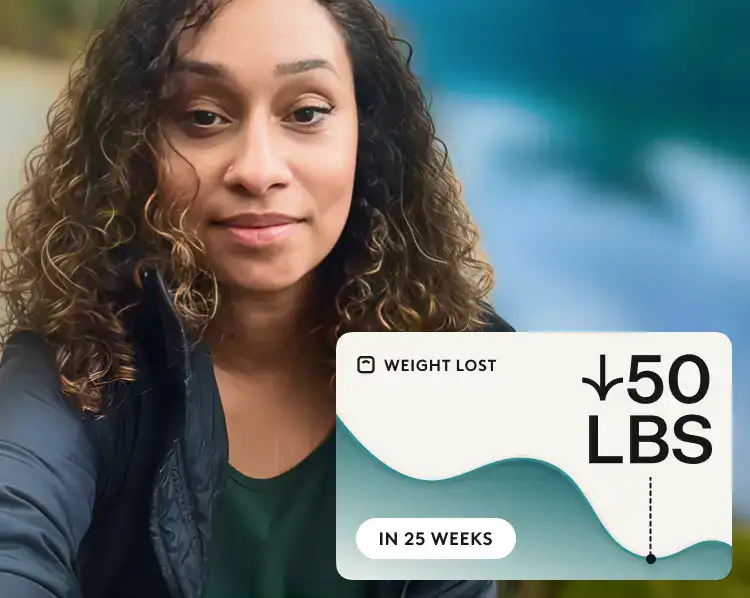
“My favorite parts of Noom are the care team and other Noomers. Sharing and getting help made me feel like I wasn’t doing it alone. That support made all the difference.”
Desirea N. — Real Noom user
Matthew M. — Real Noom user
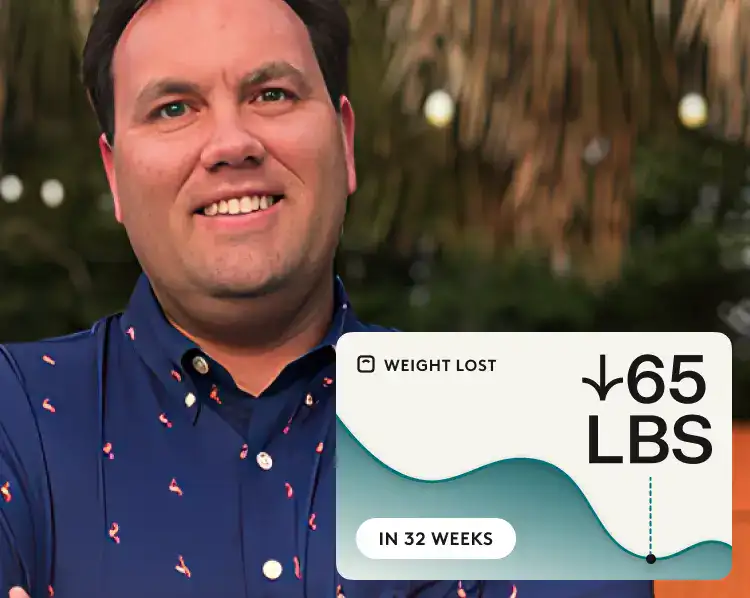
“Noom has taught me that every day is a new chance to make better, healthier choices. It's taught me how to stop overeating.’’
Matthew M. — Real Noom user
Lila M. — Real Noom user
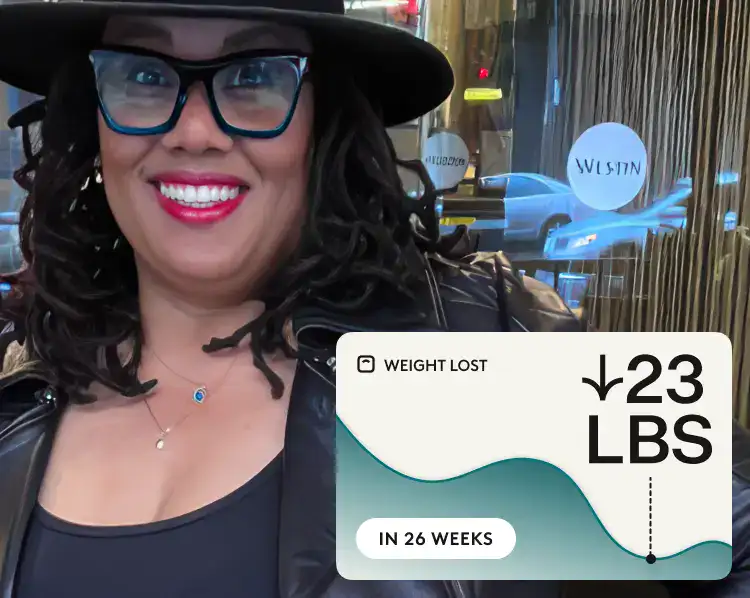
“Clinicians who understand how supportive medication can be is one of the best parts of Noom! I was convinced I wouldn’t have success but I’m down 11 pounds in two months.’’
Lila M. — Real Noom user
Steve M. — Real Noom user
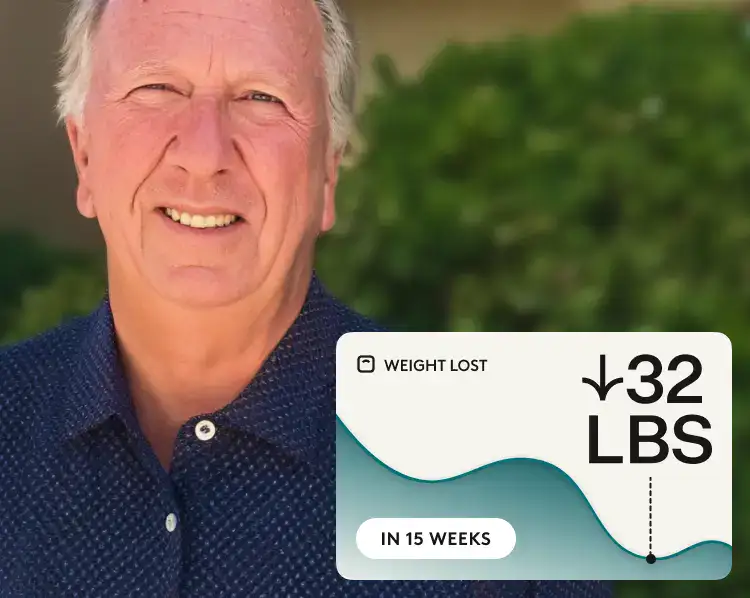
“Noom provided me with the medication which I could not get through Medicare. I have learned the tricks to better eating and life in general.”
Steve M. – Real Noom user
Daisy R. — Real Noom user
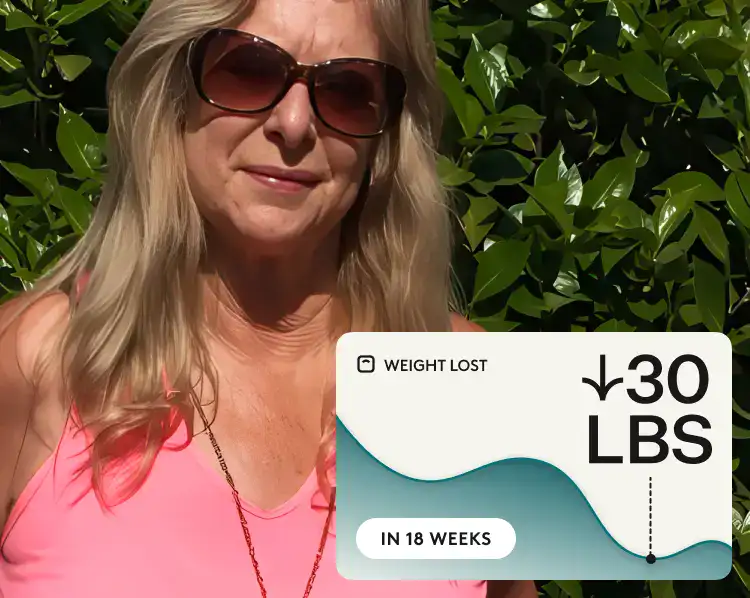
‘’Noom has changed my life and I’m so thankful, I feel great, have more energy and am no longer prediabetic.”
Daisy R. – Real Noom user
Sarah R. — Real Noom user
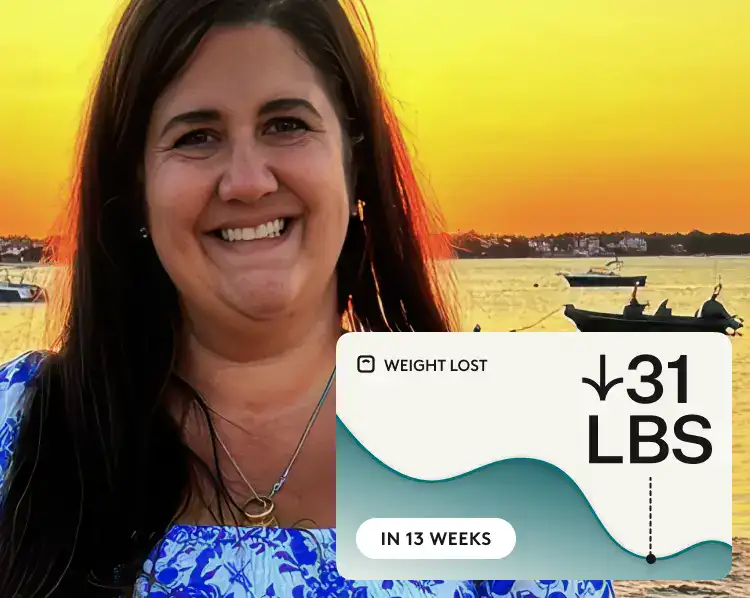
“All of the Noom providers that I’ve met with have been exceptional and prescribed medications that are appropriate for my situation and health.”
Sarah R. – Real Noom user
Madison S. — Real Noom user
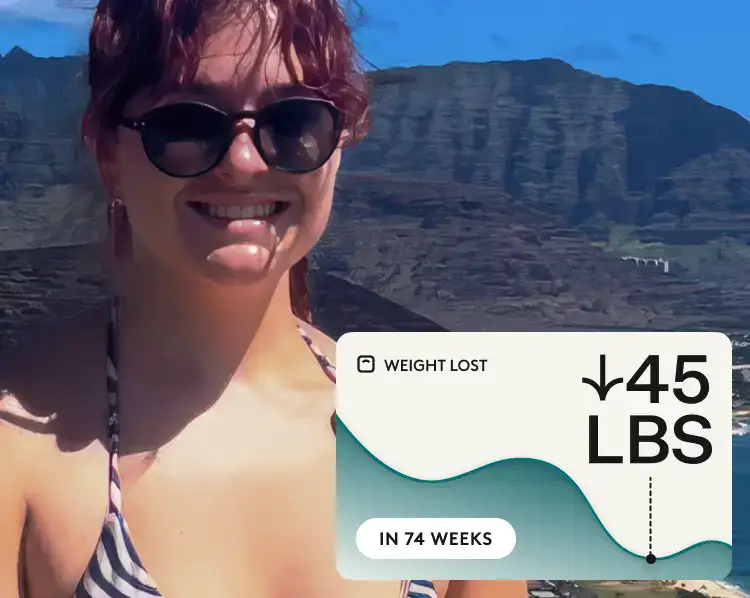
“Noom made the process so simple and now I feel full, free from diet obsession, and at ease in my body again.”
Madison S. – Real Noom user
Sonday K. — Real Noom user
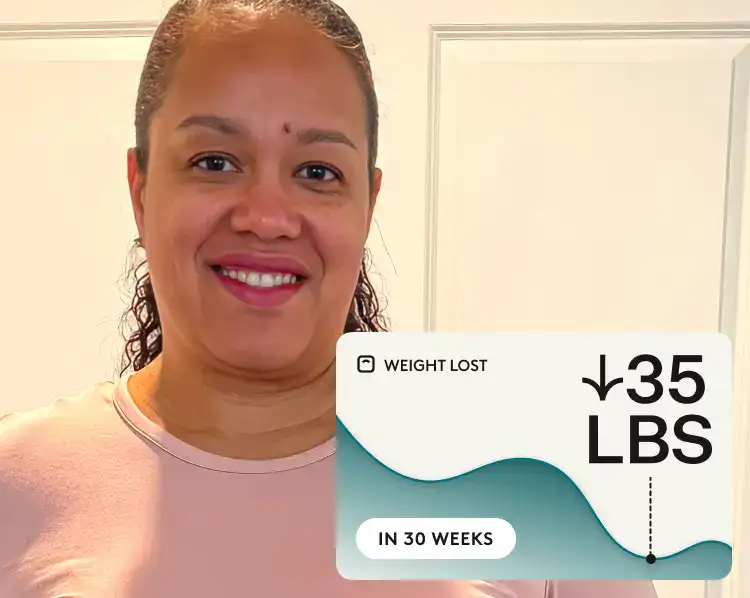
“My doctor recommended Noom after I was frustrated trying to lose weight. The lessons helped change my relationship with food. My body feels lighter & energized.”
Sonday K. – Real Noom user
Cam K. — Real Noom user
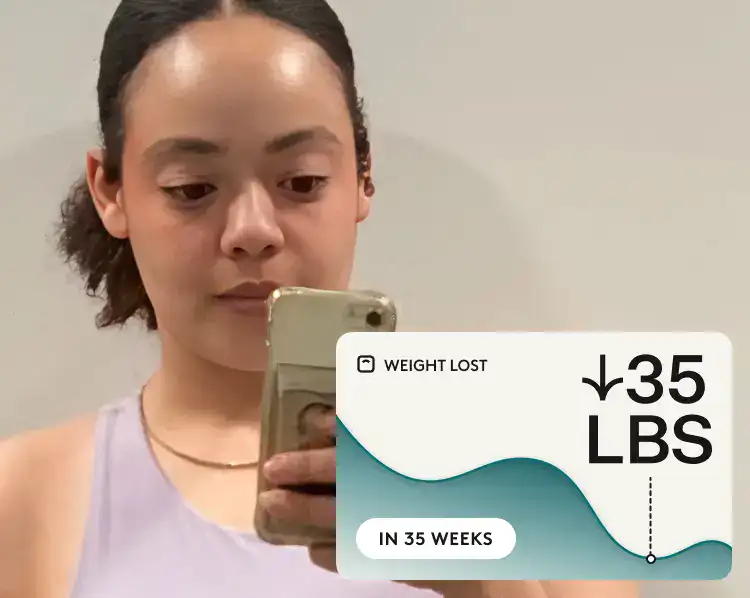
“I built healthy habits with coaching and lessons that make me confident I can maintain my weight loss long term.”
Cam K. – Real Noom user
Laura TR. — Real Noom user
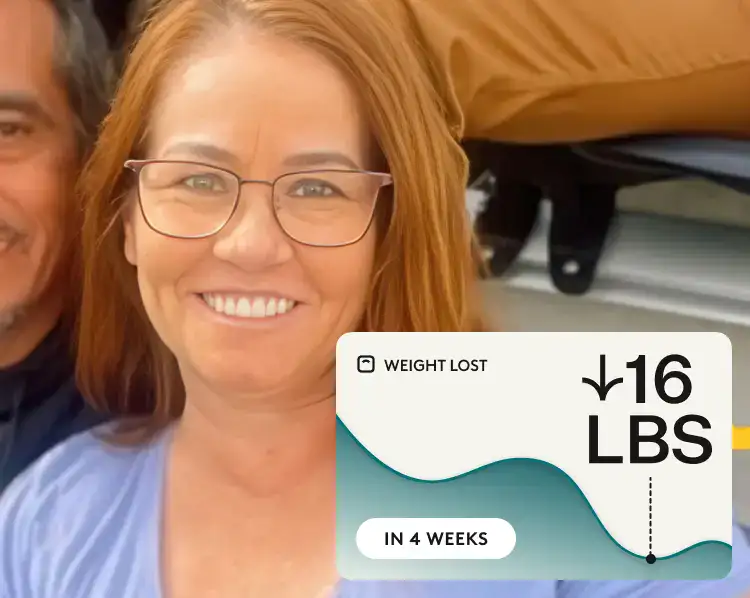
“With the right medication through Noom, hunger and sugar cravings finally quieted and I have the tools to break the cycle.”
Laura TR. – Real Noom user
Jessica S. — Real Noom user
“Cravings and food noise are gone, I finally feel confident in the healthy habits I’ve built to last with Noom.”
Jessica S. – Real Noom user
Newer GLP-1 medications like Wegovy® and Zepbound® tend to lead to greater average weight loss and are taken weekly, which is part of why they’ve taken center stage. But Saxenda® and its generic version offer a longer track record, a different dosing rhythm, and, for some, a more affordable path, since there is a generic version.
The right choice really depends on health history, budget, and what feels realistic to stick with. A good next step is to talk with a healthcare provider about goals, options, and whether Saxenda® fits into a long-term plan that feels sustainable.
If you want to explore weight loss medication, see if you qualify for Noom Med. You’ll be connected with a clinician who can assess your health goals and history, find the right medication for you, and prescribe it if necessary.
Editorial standards
At Noom, we’re committed to providing health information that’s grounded in reliable science and expert review. Our content is created with the support of qualified professionals and based on well-established research from trusted medical and scientific organizations. Learn more about the experts behind our content on our Health Expert Team page.

 Noom Team
 Shoshana Fishbein